
Listen to the full piece here! It’s a long read. Thank you for taking the time to read/listen!
In my 34 years on this earth, I have found the art of connection to be quite the difficult one to master or understand. A lot of my internal work has been influenced by my desire to understand people and, in turn, to understand myself. Ever since I can remember, I’ve had a deep yearning for connection, friendship, and community. I don’t know if my life was meant to be a solo walk or what, but my desire for connection has never fully transpired in the ways I’ve hoped for. Coming from humble beginnings, I’ve always had to say goodbye—to friendships, to people, to places.
I have vivid memories and definitive moments where even in my youth, I had to make the conscious decision to let go. I’ve always chosen the path of growth, the path of moving beyond the limitations or comforts that everyone around me seemed content to stay in. I remember being 12 or 14 and having the clarity to realize, I’m outgrowing this friend… they aren’t good for me. And so I chose growth and opportunity over peer influence or going along with what everyone else was doing.
There’s a sadness in that, because I’ve watched myself move forward in a thousand different directions while the people I once loved stayed behind, living completely different lives, despite how much we once had in common. And it’s a pattern I continue to see, even more intensely now in adulthood, mostly because I’m much more conscious of my choice to grow every single day. This is not a story of woe is me or I’m a victim of the world—no. I can promise you, I have psychoanalyzed myself from every direction. I genuinely fear I’m a therapist’s worst nightmare because I don’t know if I can be therapized (lol). I have looked at myself deeply and tried to be genuinely accountable for who I’ve been and the mistakes I’ve made in my connections.
I’m very self-reflective, and I really do try my best not to blame others, but to recognize my own patterns—why I choose the people I choose, why I allow certain influences into my life. I wasn’t always like this. There were periods, specifically in college, where I was so emotionally erratic and had absolutely no sense of self. If someone had told me, “You’re a trash bag who isn’t worth being here,” I would’ve looked at them and fully believed them .
For a long time, I truly thought I was the villain. I thought I was this terrible person and that’s why no one liked me. I believed I just needed to find perfection in who I was for people to want to be close to me.
I blamed myself for every connection that went south. But that kind of mentality isn’t healthy for anyone. It creates a pattern of over accountability. expecting perfection from yourself while never holding others accountable for the way they mishandle you. It creates a self-fulfilling prophecy of being crucified whenever someone doesn’t find you pleasing, nice, or sweet enough.
You start apologizing when you shouldn’t. Your view of reality becomes skewed. You become a dumping ground for everyone’s chaos and you freely take it on, believing it’s somehow your fault. When you’re that deeply sad and insecure, you become a magnet for vampire-type friendships. You have goodness in you, but you’re so lost that you surrender yourself to dynamics that pull you into a distorted reality all on their own.
It’s deeply internalized within me how much I crave peace and harmony in my connections. In my life, I can honestly say my intentions have never been to harm or be unkind to anyone. I actually find great discomfort in knowing I’ve been mean or unpleasant to someone. But I’ve had to get over that. I’ve had to learn that calling people out on their bullshit isn’t me being mean. Setting boundaries isn’t cruelty. Speaking about how someone genuinely hurt me is not “talking shit.” Gossiping is speaking about someone with the intention to diminish them and their character; speaking your truth is describing how someone’s behavior impacted you. Gossip is the coward’s way of trying to control the narrative; speaking your truth is the courageous way of reclaiming it.
People have trained me since I was young to just take it and take it. To never say, “I don’t like how this makes me feel.” To never say, “Stop.”
But God, it feels empowering to finally say enough.
To say: I don’t want to be mishandled anymore.
The wound of being misunderstood is something I am still trying very hard to release. It feels like a chain, a shadow I can’t quite shake off. I feel like I’ve been misunderstood my entire life, and over time it starts to erode you from the inside. There’s a bitterness that simmers in the heart, an anger that rises when you think about how unfairly you’ve been treated. You keep hoping you’ll find meaning in it all, that if you can just understand the why, you’ll finally be able to let it go.
But sometimes…
there is no why: only acceptance.
A therapist once told me I had CPTSD — deep emotional trauma from the bullying I experienced over the years and from a group of adult women I once thought were my friends. The anxiety I felt from the smear campaign they put me through was a pain so heavy I still don’t know how I walked through it with grace, except by the strength God gave me. They gathered people to hate me. They bonded over hating me. I remember thinking: What could I have possibly done to make them this angry? What could justify treating me like the scum stuck to the bottom of their shoe?
The paranoia I felt during that time was constant. I eventually had to go on Lexapro an anxiety medication from the grief, fear, anxiety and emotional wounds I was carrying. I would see these people and the way they looked at me, their eyes still live in my memory. The silence that fell around us whenever I appeared, the intensity of their stare, the way their noses curled as if my presence disgusted them. Their eyes were daggers. I genuinely felt like they wanted me to disappear. I kept thinking, God, I don’t understand. What did I do to deserve this level of hatred?
Did I sleep with their man?
Did I steal something?
Did I betray someone?
What crime could possibly justify being treated like that?
At worst, I was young in my 20s who could be a little annoying at times .. sure. But cruel? No. Never. I have never intentionally harmed anyone. And yet these women treated me like I had committed an unforgivable sin, like my existence itself was a problem. I realize now: they were jealous. They didn’t like the attention I got. They didn’t like that their friends in other circles liked me. They didn’t like that I was moving to their town and that I might be well-received by people they wanted to impress. Their mission was to damage my reputation before I even arrived. But it never actually stopped me. I was still myself. I still met plenty of people beyond their little circle of nobody-friends. Or at least, that’s what I believed at the time. Because the truth is, my journey of healing and overcoming my wound of being misunderstood was only just beginning — never as evil as that group, but still, growth was upon me. I still had so much to learn about connection, discernment, and what real friendship looks like.
Sometimes it feels like it doesn’t matter what I do — whether I’m nice, accommodating, helpful, gracious, generous, or simply minding my own business. I’m always bracing myself for the blow. For the impact of being misunderstood. For the gossip about my life or my intentions. For someone twisting my personality into something it isn’t. For the drama of rubbing someone the wrong way simply because I looked in the wrong direction or said something that wasn’t delivered in the “right” tone. For the stories about my character and how terrible of a person I supposedly am for not doing this or that. For the groups of people who bond over hating my guts and wishing I’d disappear into the pits of hell. For the stank faces people make in my direction for just existing, or assuming I’m up to no good. For the people who can’t stand my personality because they think I’m fake or pretending to be someone I’m not. For the people who don’t even know me but agree with those who think they do, and join the never-ending list of people who hate my guts. For the girlfriends who stopped liking me once I started setting boundaries or began rising out of my rock bottoms — because, truthfully, I was more likable to them in my unworthiness.
“Who does she think she is?”
“Why is she making me uncomfortable?”
There are people who only befriend you because they believe you’re beneath them — and the moment you stop playing that role, they suddenly decide you’re the villain, the problem, the creature who needs to be kept far away.
Yeah… I’m tired.
I’m truly exhausted. And I’m paranoid at times — I see it in myself constantly. People have pushed me to the point of fearing connection. They take you to a place where you regret ever trying to be good. It’s like some people have this strange desire to take you out, to dim you, to zap the light right out of you.
I’ve asked myself, and I’ve asked God,
Why does the world receive me with eyes that never truly see me? Why can’t they see all the love that’s hiding within me?
Why do I see goodness in everyone, while all they see is darkness in me? How do I let this feeling go?
This pain from the way others have twisted my vulnerability? I don’t want to carry this wound anymore. I don’t want to sit in victimhood. God, help me rise from this feeling.

Growing Up Misunderstood: A Pattern of Rejection and Abandonment Takes Root
Growing up — even as a child — I felt like I came into the world already rejected and misunderstood. I’m the youngest of my mother’s seven children. I was the one with a different father, and all I ever wanted was for my siblings to love me. But even from a young age, I felt their resentment. They blamed me for the separation of their parents. They treated me like I was this spoiled girl who got everything she wanted, the one who somehow took their mother’s love away from them. They made me feel like I was the reason their life was trash — everyone constantly reminding me how I supposedly got the golden ticket in the dysfunctional family.
“Look at how good you have it.”
“Look at how you get treated.”
As adults, my sibling once brought up one of their usual comparison stories, reminding me yet again how horrific their childhoods were. One of them said, “Remember when your dad bought you that big box of gifts on Christmas?” They were jealous of that memory, a memory that holds a completely different meaning for me. Jealous of the moment my father, a man who struggled with addiction and disappeared for months at a time showed up with a box of gifts as his attempt to make amends for choosing alcohol over me. That wasn’t privilege. That wasn’t the “golden ticket.” That was a little girl receiving crumbs of love from a man fighting his own demons. I just nodded and thought, You are so wrapped up in your own story of pain that you fail to see all the ways I was suffering too.
It’s not my job to convince them of my suffering.
They don’t care, not because they’re evil, but because they only see their own distorted reality, and that’s where they feel comfortable living. So I’ve learned to just listen and ignore. Because waiting for them to acknowledge my pain is a never-ending pit of nothingness I refuse to keep living in. I can only heal myself. I choose to move away from those stories and let them be.
For a long time, I believed them.
I thought, Wow, my poor siblings. My pain isn’t important because look at what they went through. I had this constant story in my head: If you hadn’t been born, then they could have been happy. So I dimmed my light — for years — to avoid the wrath of the heartbroken children who believed they had suffered more than I had. I allowed them to treat me as though I was only tolerated in their perfect sibling bond. And I didn’t realize how deeply that shaped me. I carried that same energy, that same shrinking, that same apologizing for existing, into every relationship I’ve had since.

Engaging in a repetitive cycle of judgment and surrounding oneself with individuals who reflect a negative belief back to you.
When you grow up in that kind of reality, you naturally end up surrounding yourself with people who hate to see you happy. People who can’t stand to witness your evolution, your growth, your resilience. People who feel miserable inside and live in hierarchies — they’ve already deemed you “less than,” and they resent your grit and perseverance. They do everything in their power to justify why you turned out the way you did, not through your own merit, not through your own hard work, but because you supposedly had this or that advantage. They come up with hundreds of excuses for why they never became who they were meant to be.
So you live your life constantly justifying why you deserve to breathe.
Why you’re allowed to exist. You develop this over-giving, overly gracious attitude toward anyone who tolerates you, because deep down you believe you’re the scum of the world. You abandon yourself over and over because you’re desperate for connection. Your tolerance for bullshit becomes so high that you don’t even realize you should have cut things off the first time someone had you fucked up. You accept treatment that harms you because it doesn’t matter, someone showed you a sliver of kindness, and how could you possibly let that go? No one has ever truly seen you clearly… so how could you possibly see who you clearly?
The pattern of hurt has haunted me my whole life. People who only liked me when I allowed them to manipulate me, diminish me, or trample on my self-esteem however they pleased. But the moment I finally stood up and said, No — I’m not allowing this story to play out anymore, they discarded me faster than I could blink. And once again, I was alone.
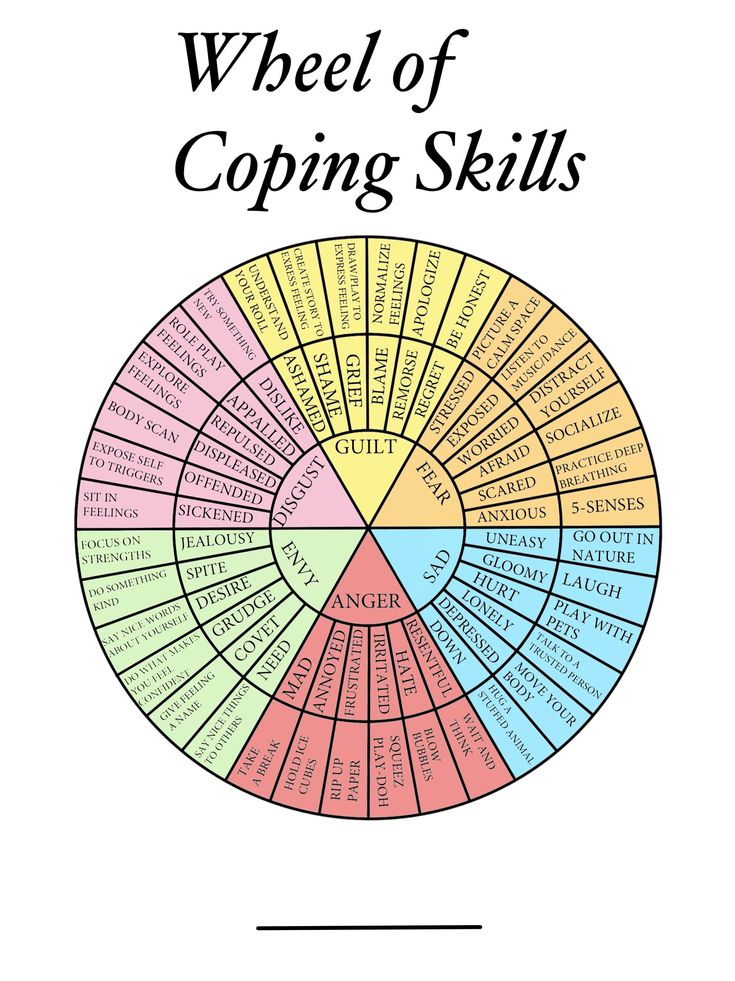
Learning To Accept Our Human Complexities Is Essential. We Are All Deeply Flawed.
Yes, I am flawed. I’ve never claimed to be perfect. I have my moods, my triggers, my things. I have bad days. I’m sassy, and I have fire inside me. I’m human.
I am allowed to be complex.
I repeat: I am allowed to be a complex person without someone catastrophizing me.
It is in accepting that we are complex people — and allowing the full range of our emotions to move through us without denying or villainizing them, that we allow ourselves to be fully human. When we stop denying our truth, we naturally allow others to be human too. People live their lives pretending they are perfect, pretending they never have a “bad” emotion — that they don’t feel envy, jealousy, insecurity, or flaws. And because they deny this within themselves, they go around forcing everyone else to deny their complexities too. They feel uncomfortable when you allow yourself to feel, to express, to simply be, because it threatens the facade they cling to. They think they’re doing good by pretending they aren’t flawed — but in truth, they create more chaos along the way.
Real peace begins when we accept our flawedness, seek self-awareness, and take responsibility for where we can evolve and grow. That’s where the blooming begins. How freeing that realization is. I used to crucify myself with shame for having anything other than positive emotions. I carried this deep pit of shame while freely allowing everyone else to be complex. I’ve always understood that people have layers. I’ve had to since I was young. I’ve always had a natural compassion for the varying emotions of others, because I can see through there pain.
My parents are complex people. In my desire to heal the hurt they’ve caused, I’ve learned to accept them for who they are—deeply flawed, deeply hurt, but people who, at their core, are good. I stopped trying to change them. I stopped trying to force them to see how much they hurt me. I started healing myself. I realized very quickly that the peace I was searching for—no one could give to me. Except me and God. My parents may never have the emotional capacity I hope for— so how do i achieve peace? I learned to grieve the ideal. I used to simmer in the fantasy of who I wanted my parents to be and i’d resent them for not being who I wanted them to be. Then one day, I had a moment of clarity: I will never have the ideal parents. These are the ones God gave me. I cannot change them.
So I grieved the ideal and have made peace with what was. And like magic, in changing myself, they slowly started to change, too. One day while driving, my mom said, “You know, I’m really sorry for neglecting you and your education. I know how hard that journey was for you. But I thought working and providing was the right thing to do. I had so many bills… that was my way of loving you.” That moment brought me peace, yes, but I had already reached peace on my own. My mom and dad both have elementary-level educations. My mom has a 5th grade education and my father a 7th grade education. They thought sending me to school in America was enough. Does it excuse everything? No. But it helped me understand.
I’ve learned that when people resist change, it’s often a call for you to change your perspective. I have forgiven them a hundred times over. not because they always deserved it, but because they’re my parents, and I know they did the best they could. And the truth is: I love them. I honor them because God teaches us to honor our parents. I want what’s best for them, for us.
Yes, I’ve set boundaries. Yes, it was a rollercoaster. Yes, I cried through the healing. But I prayed every day to one day just enjoy them. And slowly, God shifted things. My mom softened. I softened. And while I don’t wish I had gone through the pain I did… I still love them.
So no—complexity doesn’t scare me.
They’re the only people I will tolerate like that though—but all you crazies out in the world? HELL NO.
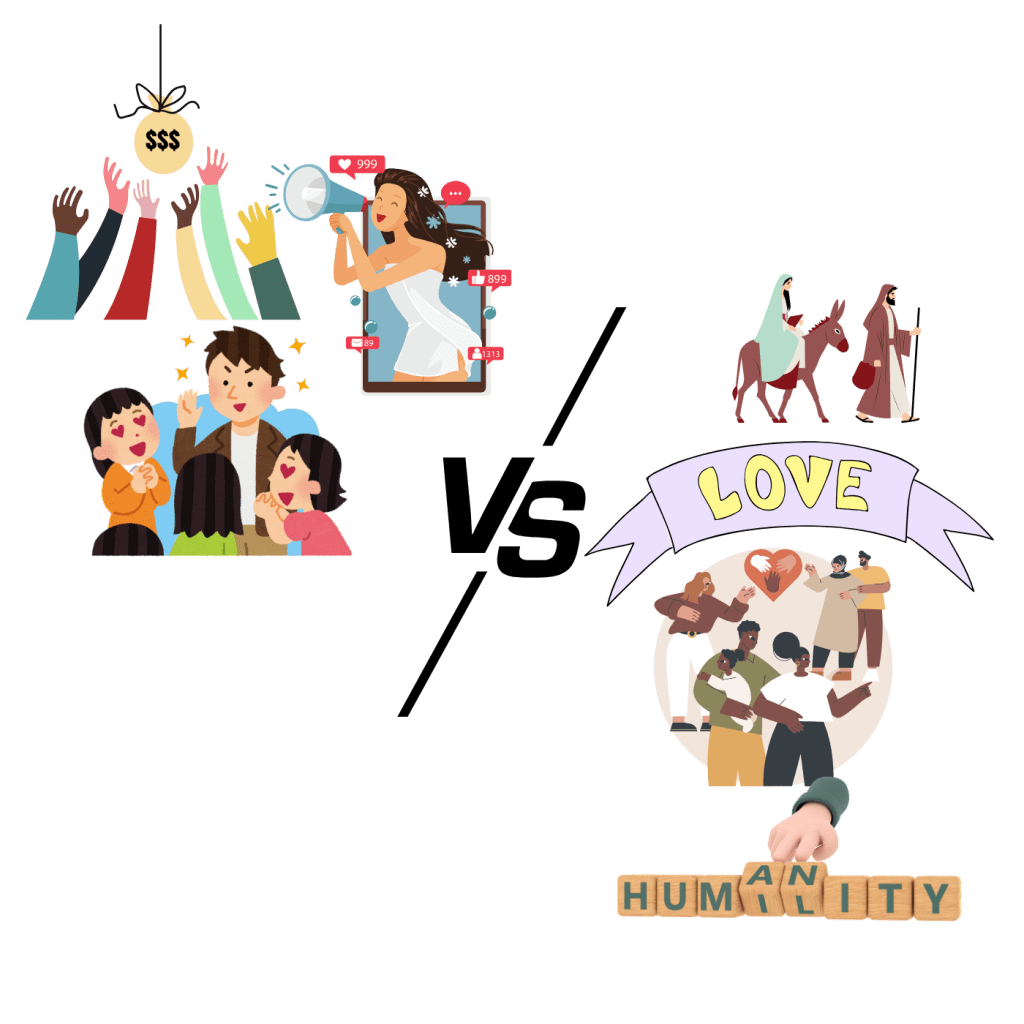
Realizing The World Values The External Over The Internal. Power Over Goodness, Influence Over Integrity.
What scares me most about the world is how people mishandle genuine hearts. I’ve been out in the world trying to create connection, and I’m constantly amazed by how my sincerity is met with indifference or suspicion. I’ve survived the wolves: the manipulators, the dominators, the ones who lead their packs of fans who worship them. The status seekers. The money chasers. The “cool” guys searching for the next party, the next “fix”. The users. The bender baddies with the 10k followers. The aspiring DJ bro who who has the key to the penthouse. “Aww, you’re such a good person,” people gush to them. “You inspire me so much.” And you watch how they move through life surrounded by admirers, their feeds overflowing with photos of their “amazing” experiences. Look at how many people love them, they must be good people, right?
What I’ve learned is this: People want proximity to power, not proximity to goodness. People chase influence, not integrity. They want to be friends with whoever seems cool or important. And I’m not perfect — I’ve fallen into that trap too. We live in a world where everyone is trying to prove they matter:
Look how cool my life is.
Look at what I’m doing.
I am better than you.
To my luck, I have never been cool. I am profoundly uncool. And yet somehow, I’ve ended up with a seat at those tables — and just as quickly as I got in, I was chewed up and spit out. I’ve seen the shift in people’s eyes: the stank-face girl or guy who didn’t like me suddenly becomes sweet once they find out I’m friends with so-and-so. Instant ick. Immediately no. At least stand on business with your dislike. But hey, a long time ago, I asked God to let me learn the world on my own terms. And He let me wander into these spaces… until one day He said,
No more.
You’re done.
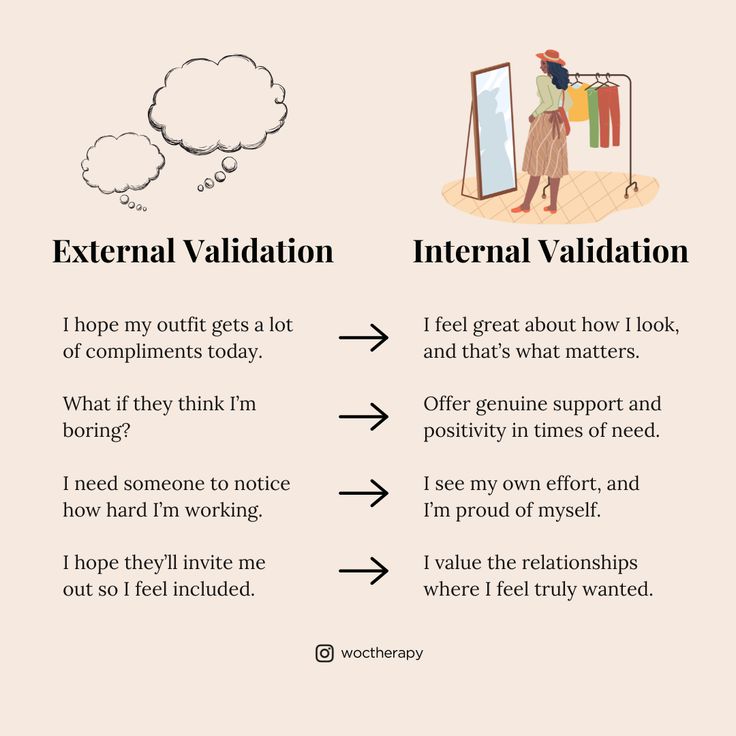
Friendships, Connections, And Romantic Relationships Will Always Mirror Back To You The State Of Your Internal World
I once had a friend in San Diego who I was overly grateful to. I thought she had brought me under her wing out of friendship — but in reality, I had befriended a bully.She needed to be the center of attention at all times, or else. Once, in a trip to Mexico, I was laughing with someone, just being myself, and in front of an entire group she yelled at me: “You think that because you’re sweet you can do this and that!”She completely humiliated me. In that moment, I lost respect for myself. Because instead of leaving her right then and there — instead of putting her in her place — I started to cry. I felt like a child being scolded by her mother. And the worst part? I stayed friends with her for five more years. How pathetic am I? I felt empathy for her. “She’s not really a bad person,” I would tell myself. “She’s just hurt.” “she’s going through this, thats why she’s acting that way”
That’s what we people-pleasers do, we justify abuse in the name of compassion. And the icing on the cake? Not one of the twenty people who witnessed that moment stood up for me. No one said, “Hey, don’t talk to her like that.” They enabled her, because she was “cool.” Because she had social currency. Because it’s easier to side with the tyrant than risk being uncool. I remember looking at someone afterward, hoping they’d acknowledge what just happened. She looked at me and said, “Don’t you think you’re overreacting?” And that’s when it hit me: How could anyone respect me when I didn’t respect myself?
Everyone tells me I have to learn to be a “bitch” when meeting new people — that I have to meet people with fire to earn respect. But why? I’ve had my best friend Alejandra since we were girls. I’ve never had to be a “bitch” to her to be respected. I’ve never had to act out of character. Yes, we’ve had moments of growth and conflict, but I have never been humiliated by her. Yet I once valued my “cool, fun” friends over her. Why? People love chaos. We love drama. That’s what we live for — nonsense. I used to think, “This is just what friendship is. Ups and downs.” But deep down, I was walking on eggshells, terrified of poking the bear. Much like my mother.
We really do walk through the world with doors constantly opening to lessons about the pain our childhood left us with. I needed to stop allowing these kinds of women into my life. I needed to grow from the little girl who tolerated oppressive, emotionally reactive, controlling people who couldn’t regulate themselves. I was the one who needed to change. I needed to say “kick rocks” to the bully in my head, the voice shaped by the woman my mom once was to me. I needed to finally say no more to chaos.
I’ve stopped craving for people to have my back or to save me. I’ve learned to save myself. I’ve learned to walk away from dysfunction even when it was packaged as “friendship.” What do I gain from a group of aesthetically pleasing girlfriends who look good on Instagram but are full of hate for me? Who perform goodness but are secretly mean to me? Who smile in public and sneer in private? Nothing. There is no value there. I am no longer a pathetic girl. I refuse. I share my story not because I want pity — but because I want you to witness growth in someone who decided: I am more than the experiences that tried to break me.
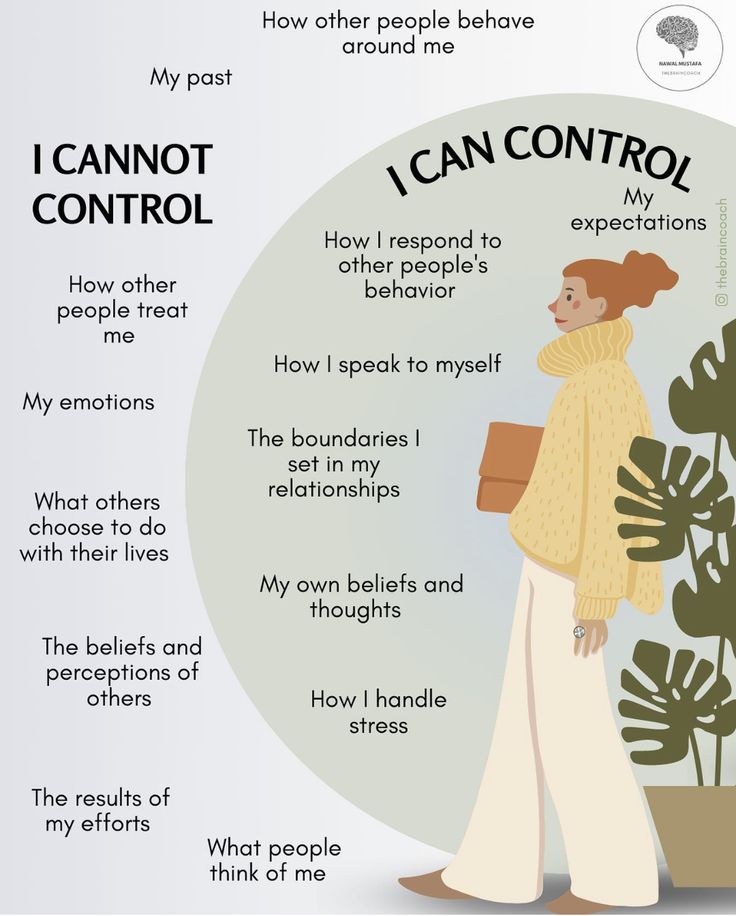
Choosing Peace Over Chaos Moving Forward. Life Will Keep Presenting the Same Experiences Until You Choose a New Direction.
One weekend, I was visiting her at her new home. We were playing a drinking game, and somehow all the jokes started turning on me. Just her stanky attitude disguised as humor. I quietly observed her and didn’t make a fuss, because that’s what people like that want. They want you triggered. They do it to suck your energy. I politely excused myself for the night, went to my room, and thought,
I hate how she makes me feel.
In that moment, I knew, the same way I’ve known all the other times in my life when I’ve outgrown a friendship — that once I went home, I was never speaking to this person again. Why did it take me so long to realize she wasn’t good for me? Because I had learned to mistake being treated like shit for love.
Only God—Jesus Christ Himself—has been able to heal me from that brokenness. To help me stop chasing harmful people. I have found true love even in my brokenness. God has found me and nursed me back to worthiness. I’m worthy of respect. I’m worthy of being seen. I truly tell you, I don’t want to willingly choose mistreatment anymore.
Being misunderstood doesn’t bother me anymore—but choosing to stay in spaces that are harmful to me? I choose no more.
Trusting my gut, trusting myself when I don’t feel good around someone, instead of ignoring my instincts just because of their “presentation.” When I feel like I don’t like something, I trust myself and trust God with His process of alignment. I am also no longer desperate for friendship. I like being by myself.
The love of my sister, my niece, my childhood best friend, my mom and dad, and my nephew is enough for me. I mean that. I will never neglect true love for appearances anymore.
Most importantly, I will never again turn away from the Most High—even when my life is no longer fabulous or impressive to a bunch of nobodies. Ever again.
Sometimes, I truly feel like I never want to be friends with anyone again.
I used to want tons of friends and experiences because I thought that’s what life was about. But no. I don’t want to be friends with another crazy person EVER again in my life. If you show me a single sign of cruelty or lack of consideration, the first stanky eye you throw in my direction when you think I didn’t see it, the first hint of misalignment in values, I will leave the first time. I will not wait for your character to be “developed.” I will not try to heal you with my kindness. I’m done. I don’t need a friend. I’ve found friendship in the Most High.
I’ve realized that one good friend, one person who truly sees you, values you, and allows your complexities to exist in harmony, is all you need to be happy. Someone who truly sees you, and I see that now in my family. The other day, my niece told me after a moment where I was triggered and maybe didn’t respond well, I said, “I’m sorry for reacting like that, I didn’t mean it.” And she looked at me and said: “It’s okay, tía. You’re allowed to be upset. I know you didn’t mean it. I know your heart. I knew you would quickly reflect and correct it.” And in that moment, I felt safe. Safe to not stay stuck in that moment.
Safe to move forward.
Safe knowing she wouldn’t turn me into a villain for being complex.
Safe knowing we could love each other a little more in the process.
I don’t need extraordinary experiences anymore. I don’t need the cool pic, with the cool people, in the cool place near the cool blah blah blah. Fuck that. I am uncool. I live for the uncool. Misunderstand me if you must. Those photos you see online are lies. or Maybe I’m jaded. But people telling me they like me or they think this or that of me does absolutely nothing for me. Honestly, it scares me when someone overly tells me how much they like me. Like—please no, you don’t. You don’t like me. You like the story you have in your head of me.
You don’t like me until you’ve seen all the sides of me. And once you’ve seen them, and you stay—that’s when I’ll know you truly like me. And even at that point, you’ll still be lucky if you get anything from me. If you’re reading this blog, know you have been graced with my creativity. Because in real life, I wish to no longer know anyone. I’M GUCCI. That’s why God calls us to a simple life. I don’t want extraordinary experiences anymore. I want peace. Truly. May the world perceive me as unimportant. At least I have peace.
As always, I hope you leave feeling a little more inspired. – 💛 Blanca
Don’t forget to subscribe below to receive email notifications for my next blog post! Or, if you prefer, follow me on Instagram where I post updates for every new blog entry!
 A Little More Inspired
Leave a comment